
Adventures
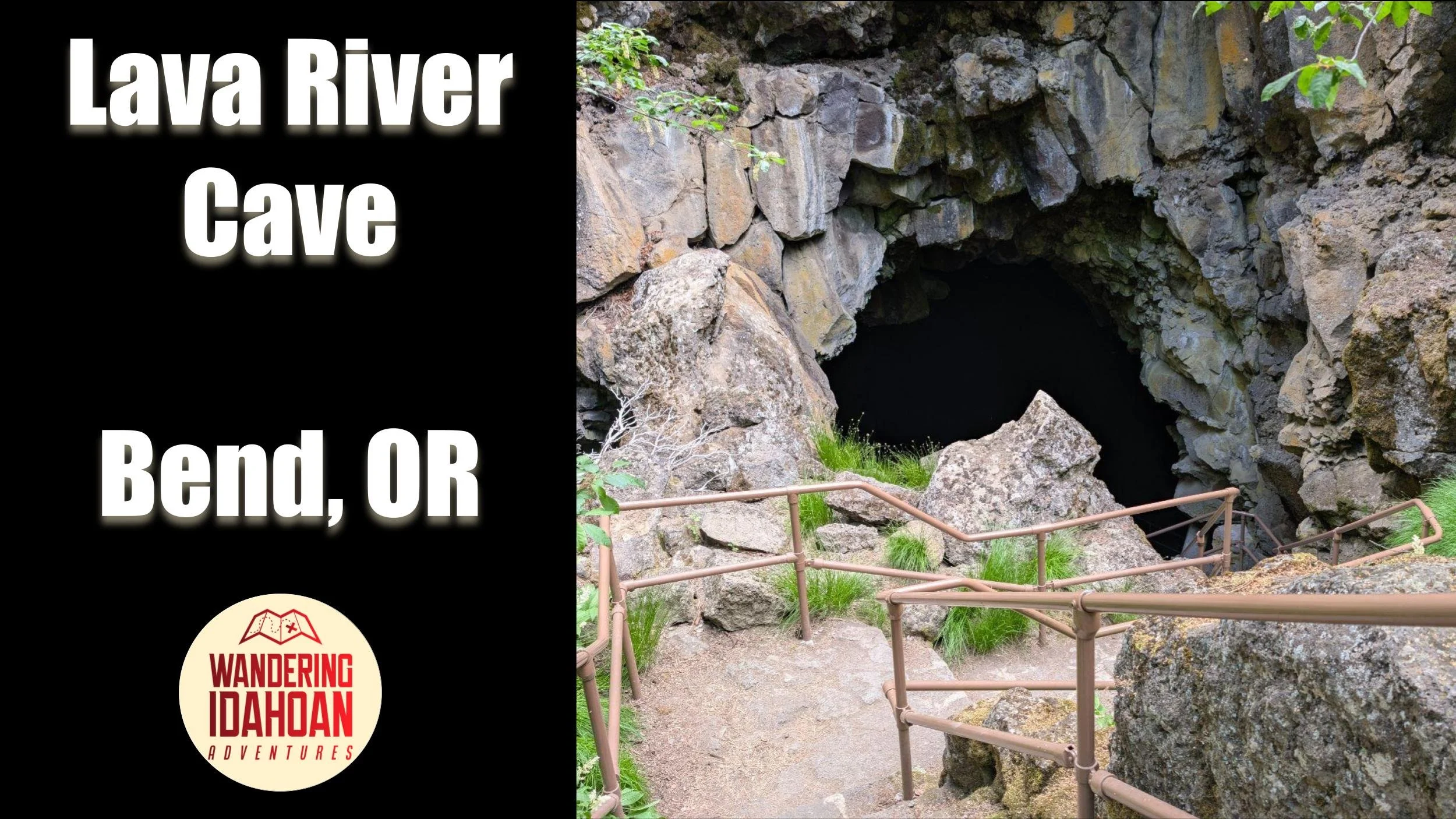
Lava River Cave, Bend, Oregon
Beneath the sun-scorched high desert just south of Bend, Oregon, a different world waits in total darkness—one carved not by water, but by fire. Lava River Cave stretches more than a mile through a lava tube formed some 80,000 years ago when molten rock from a nearby cinder cone drained away and left behind a hollow, cathedral-like tunnel of basalt. Step inside and the temperature drops to a steady 42 degrees no matter the season above; the desert light fades to black within a few dozen yards, and the only sounds are your own footsteps echoing off rock that's been waiting patiently since long before any trail led here. Whether you're chasing an underground adventure, an escape from summer heat, or just a genuinely strange corner of Oregon's volcanic history, this cave beneath Bend delivers all three.
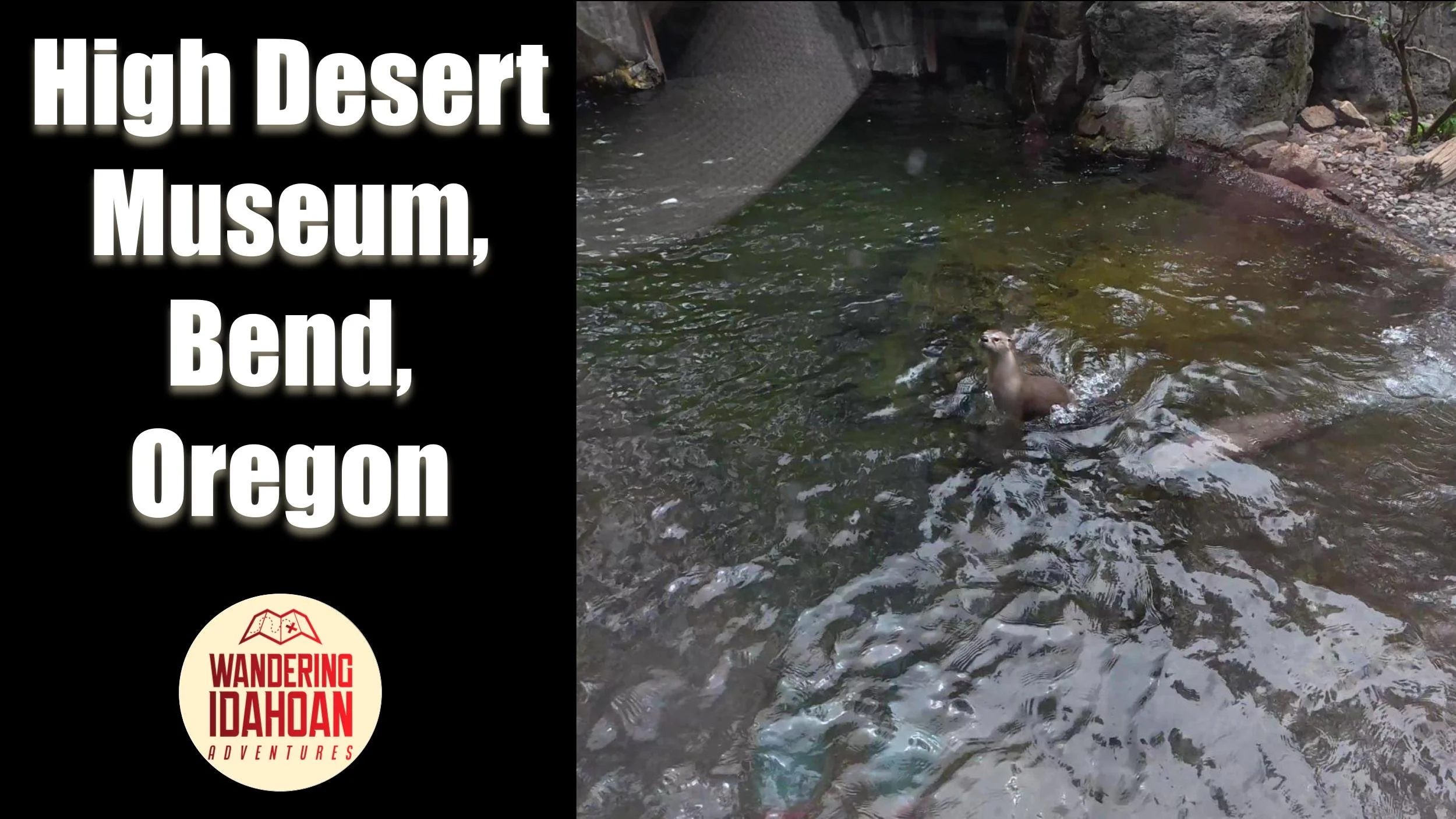
High Desert Museum, Bend, Oregon
The High Desert Museum in Bend, Oregon, provides an immersive experience that blends regional history, natural wildlife, and cultural art. Visitors can explore diverse attractions such as the Autzen Otter Exhibit, the Birds of Prey Center, and a living history ranch that recreates life for 19th-century homesteaders.
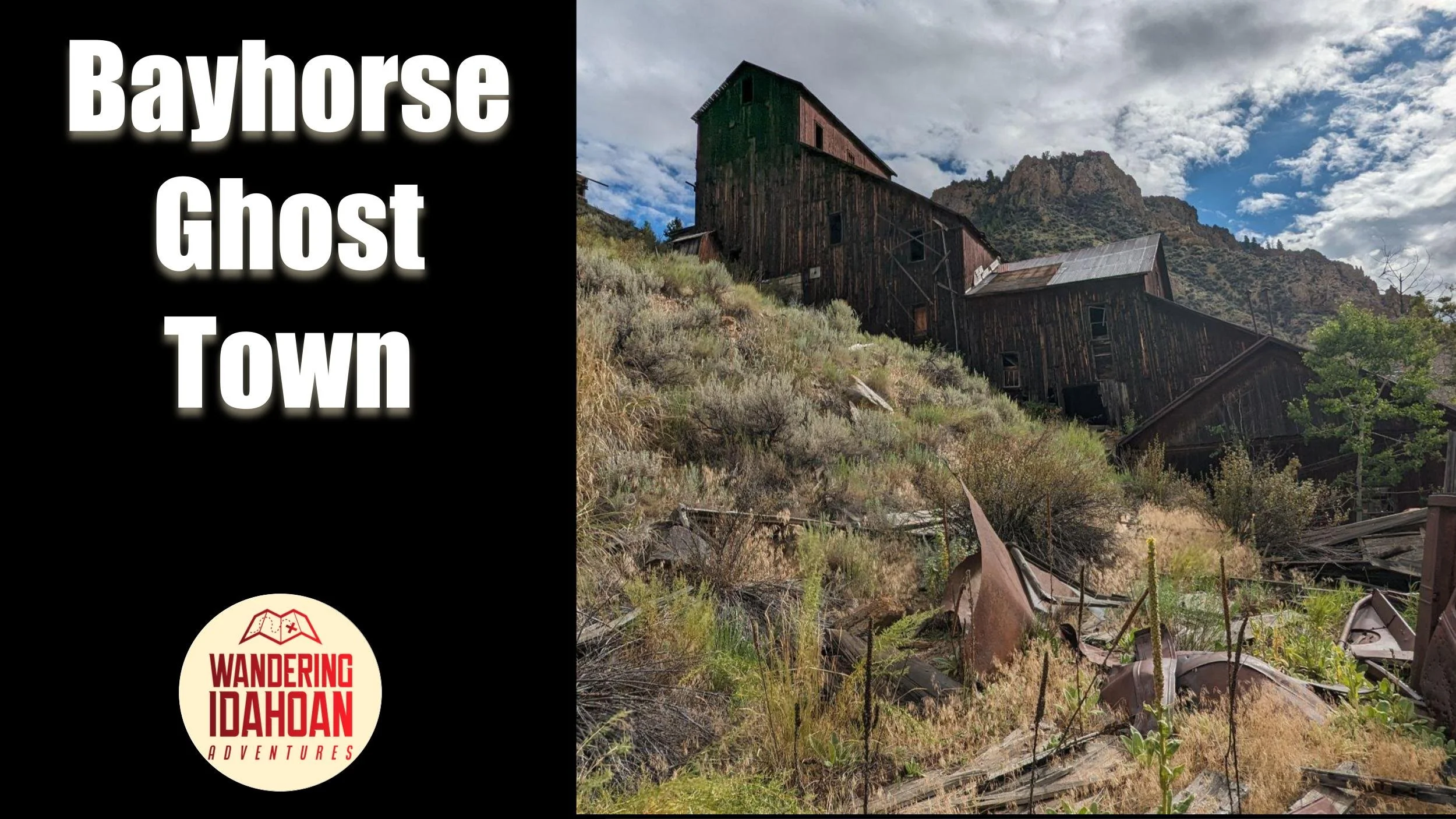
Bayhorse Ghost Town
The Bayhorse Historic District, nestled within a narrow, deep canyon next to Bayhorse Creek in Custer County, Idaho, stands as one of the state’s better-preserved 19th-century mining camps. Founded in 1877 on the promise of a significant lead-silver property, the town expanded rapidly after 1880, reaching a peak population of between 300 and 500 residents and ultimately producing about $10,000,000 in wealth by 1898. The complex mining operation centered on the Ramshorn mine and featured critical industrial infrastructure, including a powerful smelter (once producing eighty tons of bullion monthly), an aerial tramway for ore transport, and the impressive Gilmer and Salisbury Stamp Mill. However, Bayhorse's boom ended abruptly in late 1889 following a fire and an unfavorable government ruling on silver lead ores, causing the smelter to close and the town to become "practically deserted" within two weeks. Compounded by declining silver prices and the high costs of shipping ore from the isolated canyon, all remaining operations ceased by 1915. Today, the site is managed as part of the Land of the Yankee Fork State Park, preserving structures like original log cabins, the mill site, and several intact beehive charcoal kilns for visitors to experience the history of this typical, though isolated, central Idaho mining town.
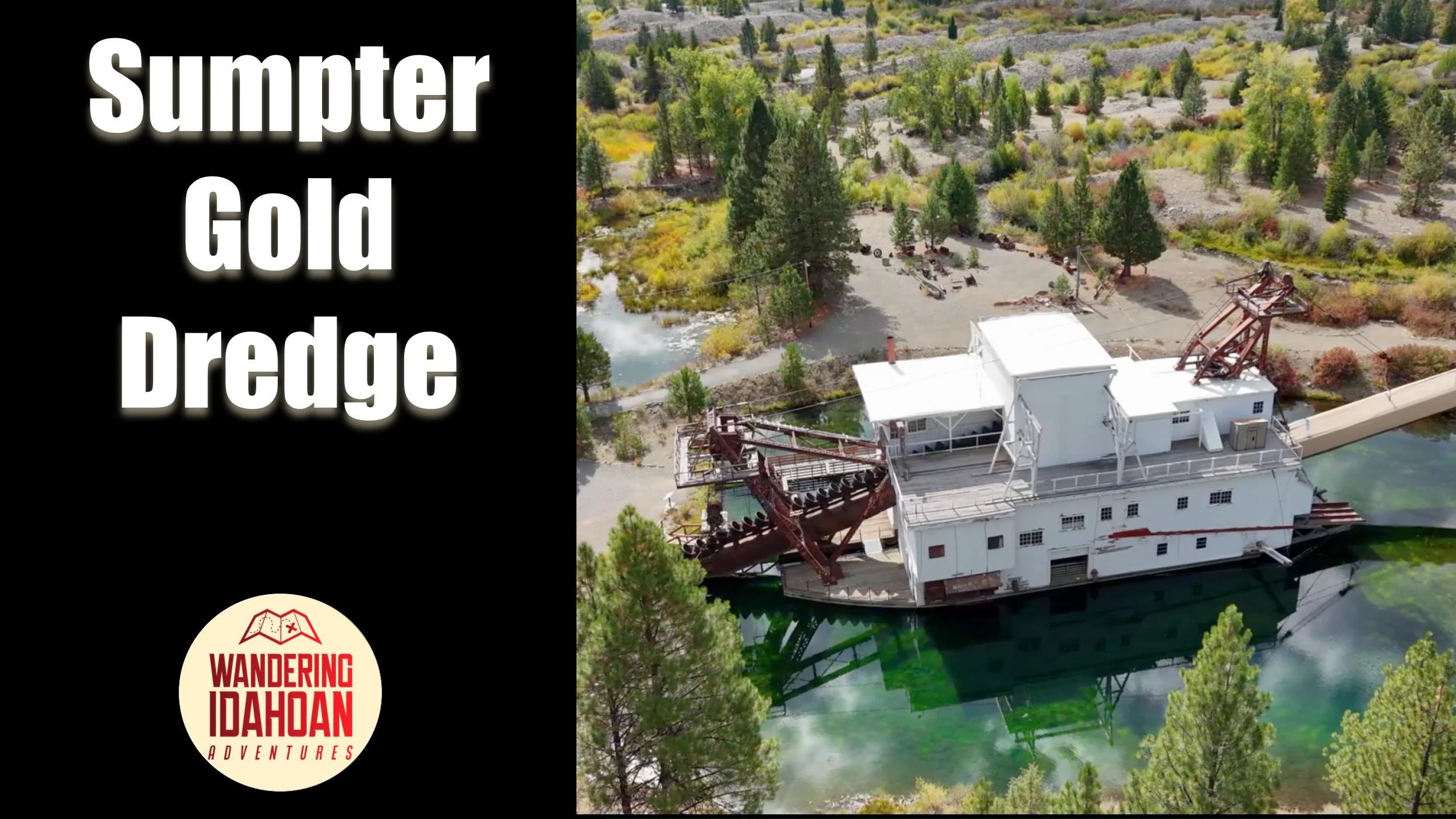
Sumpter Gold Dredge - Sumpter, Oregon
The Sumpter Gold Dredge (specifically Sumpter No. 3) is a massive, floating Yuba-style placer mining machine that now serves as the centerpiece of the Sumpter Valley Dredge State Heritage Area in Eastern Oregon. Operating almost continuously from 1935 to 1954, this 1,250-ton behemoth extracted gold by scooping up earth with 72 one-ton buckets, processing the material inside its 125-foot hull, and recovering gold flakes before expelling the waste. Although the dredge recovered approximately $4.5 million in gold, the company ultimately ceased operations in 1954 $100,000 in debt. Its legacy is visible for miles in the distinctive stacks of stone known as tailings, which spread across the Sumpter Valley, dramatically transforming the natural meadows along the Powder River. Preserved today as a monument to area mining and added to the National Register of Historic Places in 1971, the dredge offers visitors a glimpse into the industrial methods and environmental impacts of gold extraction.
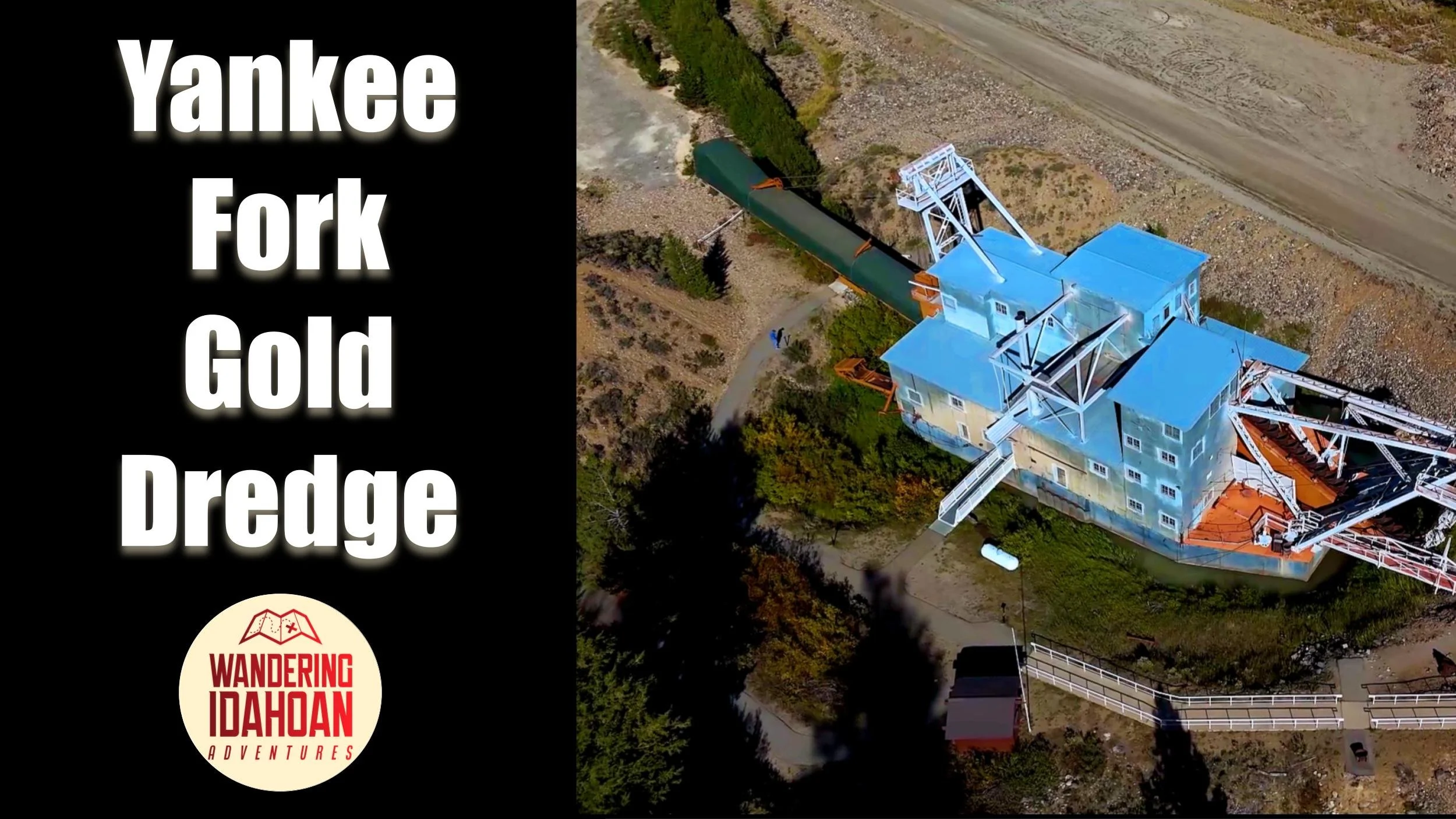
Yankee Fork Gold Dredge - Stanley, Idaho
Situated on the Yankee Fork River, the Yankee Fork Gold Dredge is between the historic mining towns of Custer and Bonanza. It's recognized as the largest self-powered dredge in Idaho and stands as a well-preserved testament to early 20th-century gold mining technology. Constructed in 1940 by the Bucyrus-Erie Company for the Snake River Mining Company, the dredge operated until 1952. Measuring 112 feet long, 54 feet wide, and 64 feet high, with a weight of 988 tons, the dredge housed seventy-one 8-cubic-foot buckets, each weighing over a ton. Its operation relied on two 350 HP Ingersoll-Rand diesel engines. The dredge extracted gold from the riverbed using a continuous digging and separation process. The buckets on the rotating chain dug up the gold-bearing gravel, which was washed and screened onboard. A complex system of riffles and mercury traps aided in separating the gold. The Yankee Fork Gold Dredge Association, a volunteer-run organization, plays a vital role in preserving and showcasing the dredge. Visitors can explore the dredge, learn about its history, and view a picture gallery and artifacts.