
Adventures
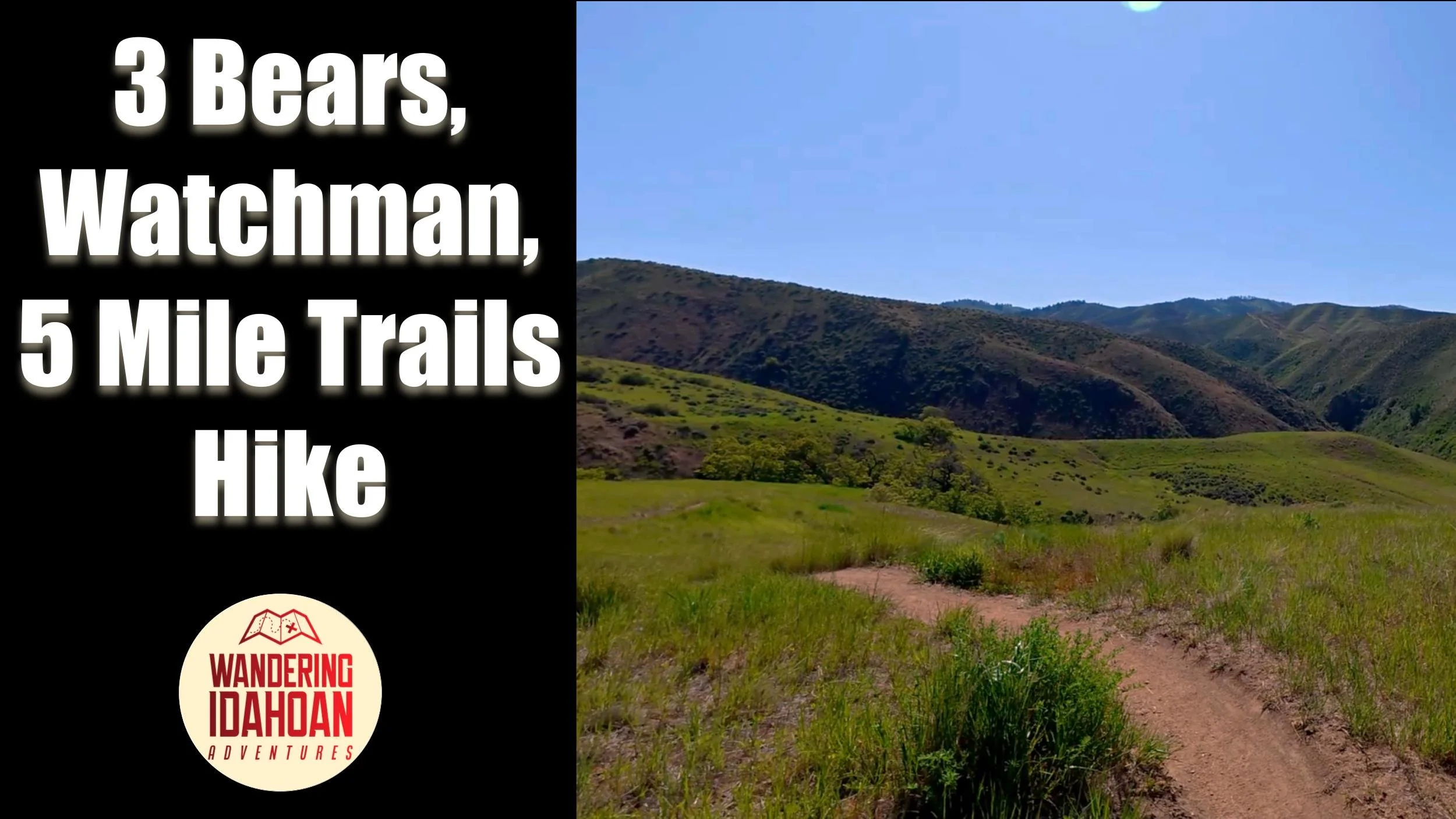
Three Bears, Watchman, & Five Mile Gulch Trails Loop
A return hike, but this time we did it in reverse. The elevation gain came faster, steeper, and harder going this direction. However, we knew the most beautiful part of the hike was going to be waiting for us at the end. This is one of our favorite Boise Foothills hikes. You cover a substantial area with creeks, grasslands, and wildflowers. We highly recommend it.
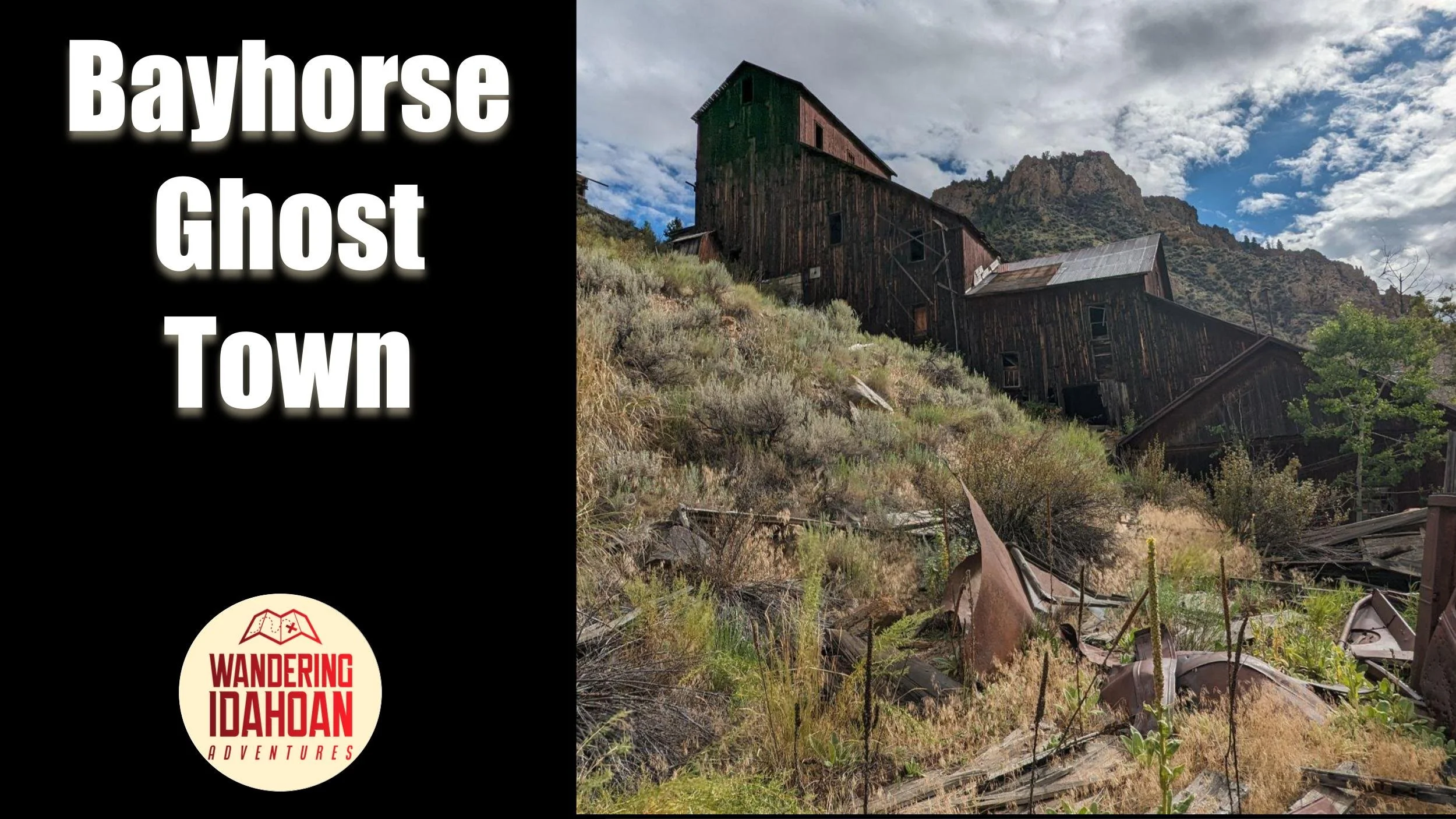
Bayhorse Ghost Town
The Bayhorse Historic District, nestled within a narrow, deep canyon next to Bayhorse Creek in Custer County, Idaho, stands as one of the state’s better-preserved 19th-century mining camps. Founded in 1877 on the promise of a significant lead-silver property, the town expanded rapidly after 1880, reaching a peak population of between 300 and 500 residents and ultimately producing about $10,000,000 in wealth by 1898. The complex mining operation centered on the Ramshorn mine and featured critical industrial infrastructure, including a powerful smelter (once producing eighty tons of bullion monthly), an aerial tramway for ore transport, and the impressive Gilmer and Salisbury Stamp Mill. However, Bayhorse's boom ended abruptly in late 1889 following a fire and an unfavorable government ruling on silver lead ores, causing the smelter to close and the town to become "practically deserted" within two weeks. Compounded by declining silver prices and the high costs of shipping ore from the isolated canyon, all remaining operations ceased by 1915. Today, the site is managed as part of the Land of the Yankee Fork State Park, preserving structures like original log cabins, the mill site, and several intact beehive charcoal kilns for visitors to experience the history of this typical, though isolated, central Idaho mining town.
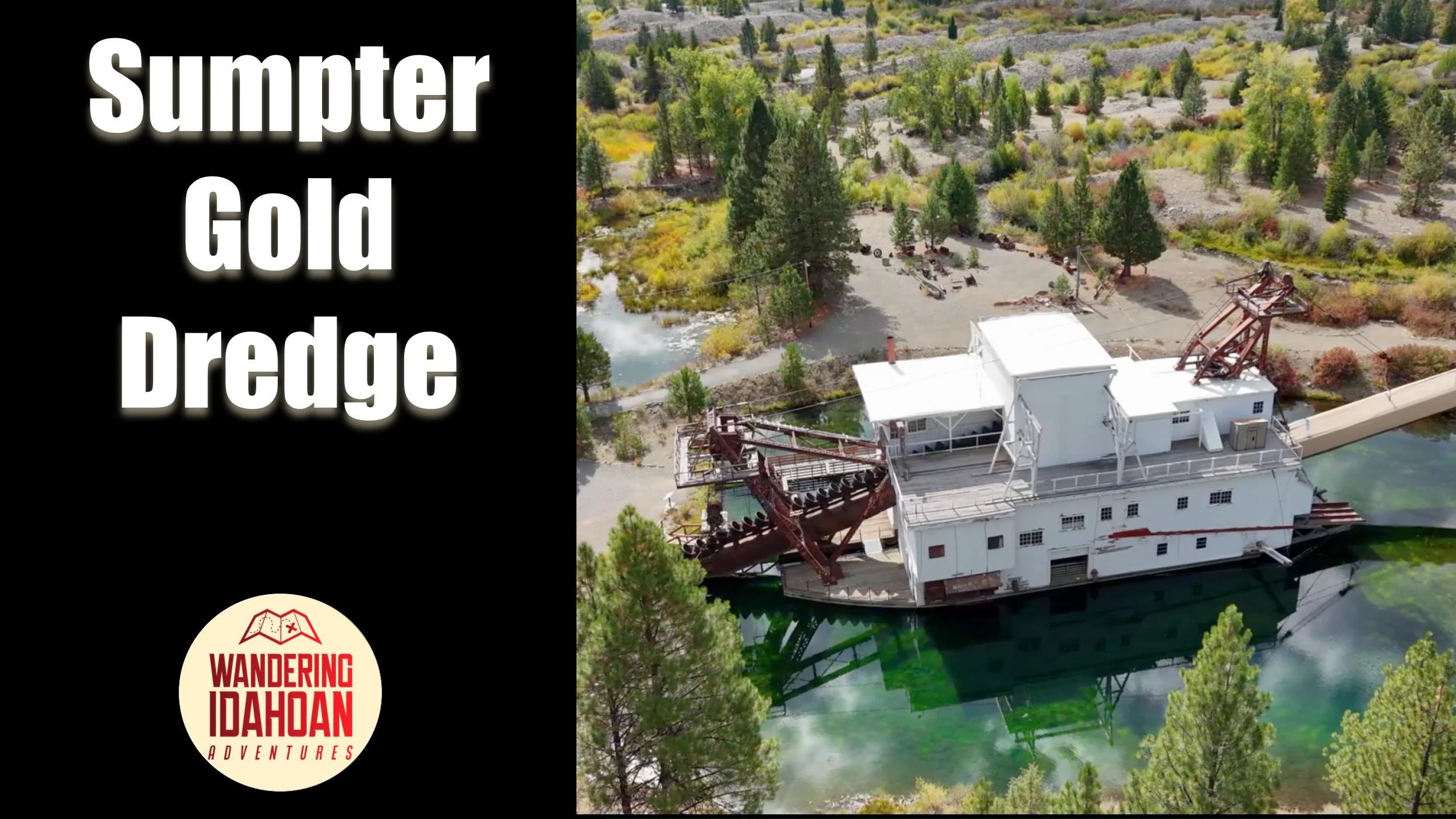
Sumpter Gold Dredge - Sumpter, Oregon
The Sumpter Gold Dredge (specifically Sumpter No. 3) is a massive, floating Yuba-style placer mining machine that now serves as the centerpiece of the Sumpter Valley Dredge State Heritage Area in Eastern Oregon. Operating almost continuously from 1935 to 1954, this 1,250-ton behemoth extracted gold by scooping up earth with 72 one-ton buckets, processing the material inside its 125-foot hull, and recovering gold flakes before expelling the waste. Although the dredge recovered approximately $4.5 million in gold, the company ultimately ceased operations in 1954 $100,000 in debt. Its legacy is visible for miles in the distinctive stacks of stone known as tailings, which spread across the Sumpter Valley, dramatically transforming the natural meadows along the Powder River. Preserved today as a monument to area mining and added to the National Register of Historic Places in 1971, the dredge offers visitors a glimpse into the industrial methods and environmental impacts of gold extraction.
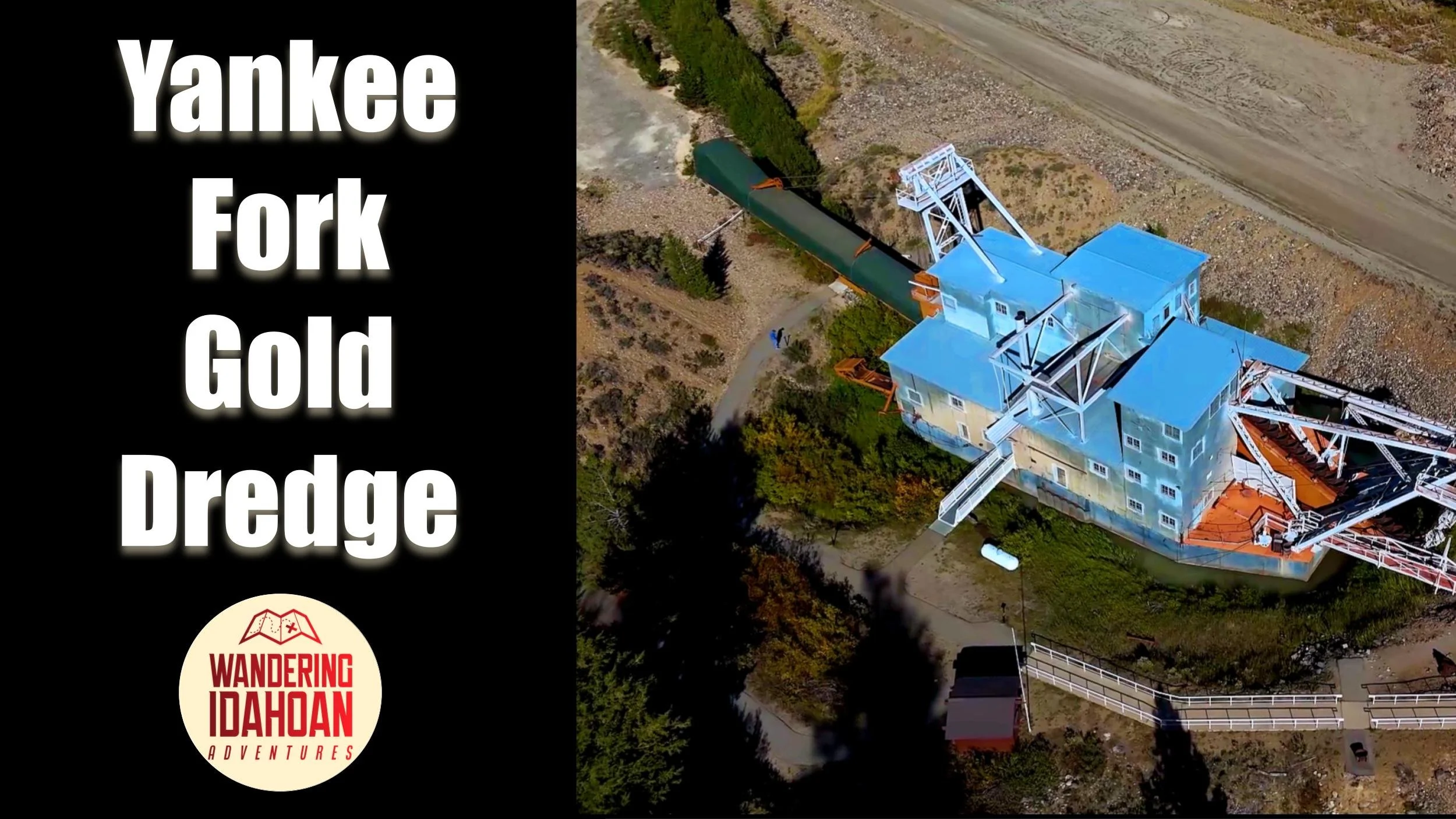
Yankee Fork Gold Dredge - Stanley, Idaho
Situated on the Yankee Fork River, the Yankee Fork Gold Dredge is between the historic mining towns of Custer and Bonanza. It's recognized as the largest self-powered dredge in Idaho and stands as a well-preserved testament to early 20th-century gold mining technology. Constructed in 1940 by the Bucyrus-Erie Company for the Snake River Mining Company, the dredge operated until 1952. Measuring 112 feet long, 54 feet wide, and 64 feet high, with a weight of 988 tons, the dredge housed seventy-one 8-cubic-foot buckets, each weighing over a ton. Its operation relied on two 350 HP Ingersoll-Rand diesel engines. The dredge extracted gold from the riverbed using a continuous digging and separation process. The buckets on the rotating chain dug up the gold-bearing gravel, which was washed and screened onboard. A complex system of riffles and mercury traps aided in separating the gold. The Yankee Fork Gold Dredge Association, a volunteer-run organization, plays a vital role in preserving and showcasing the dredge. Visitors can explore the dredge, learn about its history, and view a picture gallery and artifacts.
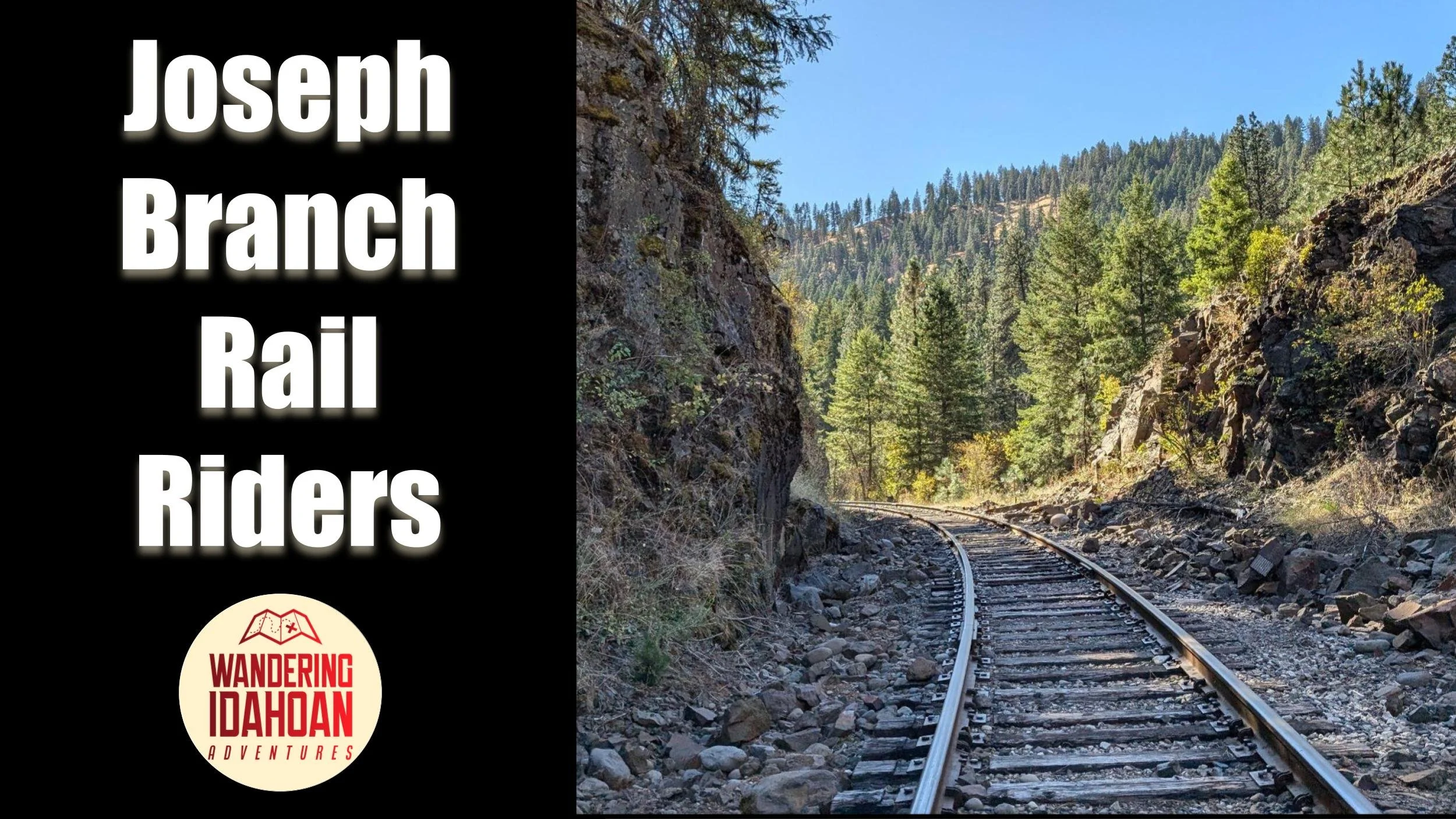
Joseph Branch Railriders - Minam, Oregon
Joseph Branch Railriders offers pedal-powered rail bike adventures, considered one of America's most unique and memorable must-do experiences, taking visitors through Oregon’s majestic Wallowa Mountains. Riders cycle the scenery along historic rail lines, enjoying scenic journeys and connecting with nature in a special way in Northeast Oregon. The railriders operate from two unforgettable Oregon locations: Minam, where the journey twists through a canyon alongside the scenic tumbling Wallowa River with towering rock cliffs above, and Joseph, where riders enjoy a peaceful pedal through the valley at the base of the majestic Wallowa Mountains, taking in the views and fresh mountain air. These journeys utilize the historic Joseph Branch Railroad, which is a 63-mile line linking Elgin to Joseph and tracing the picturesque Grande Ronde and Wallowa Rivers.