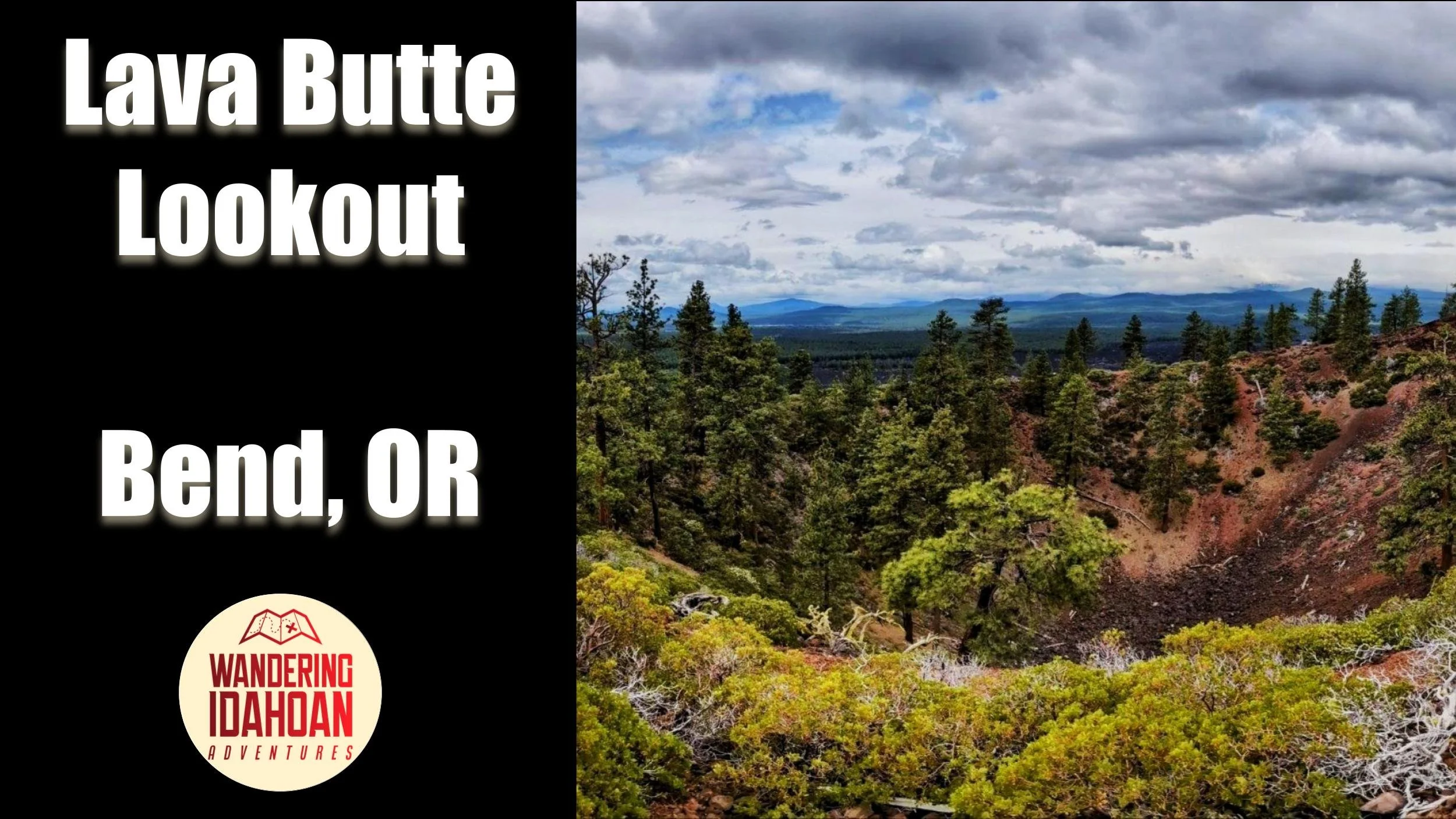
Rising like a cinder cone sentinel just south of Bend, Lava Butte offers one of Central Oregon's most rewarding short hikes for the payoff it delivers — a fire lookout perched atop a 500-foot volcanic cone with 360-degree views stretching across the Cascade peaks, the sprawling lava fields of Newberry National Volcanic Monument, and the ponderosa forests below. Whether you tackle the steep half-mile trail on foot or catch the seasonal shuttle to the summit, the lookout rewards visitors with a front-row seat to the region's fiery geologic past and a panorama that makes it easy to see why this spot has been used to spot wildfires — and stunning sunsets — for generations.
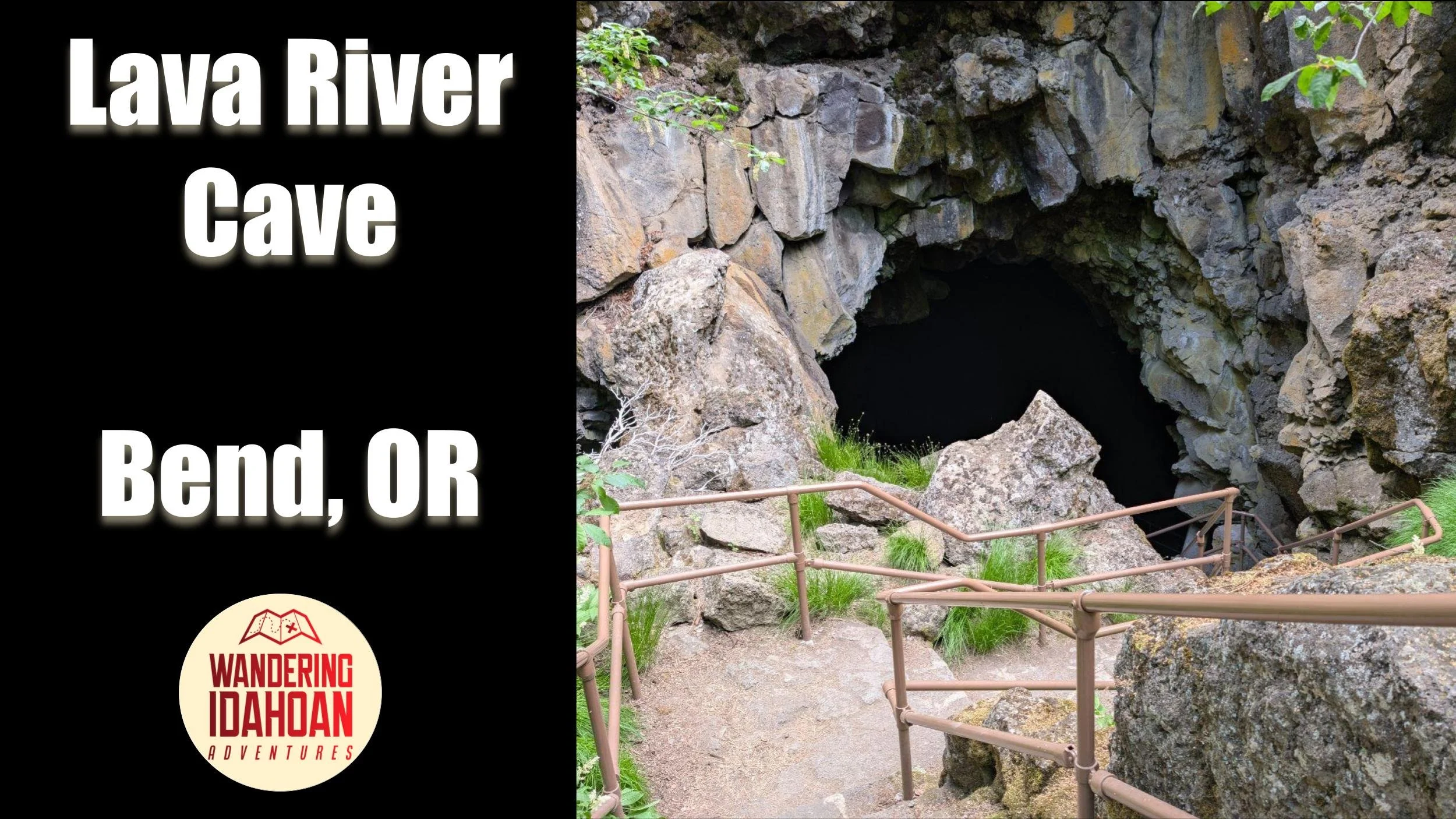
Beneath the sun-scorched high desert just south of Bend, Oregon, a different world waits in total darkness—one carved not by water, but by fire. Lava River Cave stretches more than a mile through a lava tube formed some 80,000 years ago when molten rock from a nearby cinder cone drained away and left behind a hollow, cathedral-like tunnel of basalt. Step inside and the temperature drops to a steady 42 degrees no matter the season above; the desert light fades to black within a few dozen yards, and the only sounds are your own footsteps echoing off rock that's been waiting patiently since long before any trail led here. Whether you're chasing an underground adventure, an escape from summer heat, or just a genuinely strange corner of Oregon's volcanic history, this cave beneath Bend delivers all three.
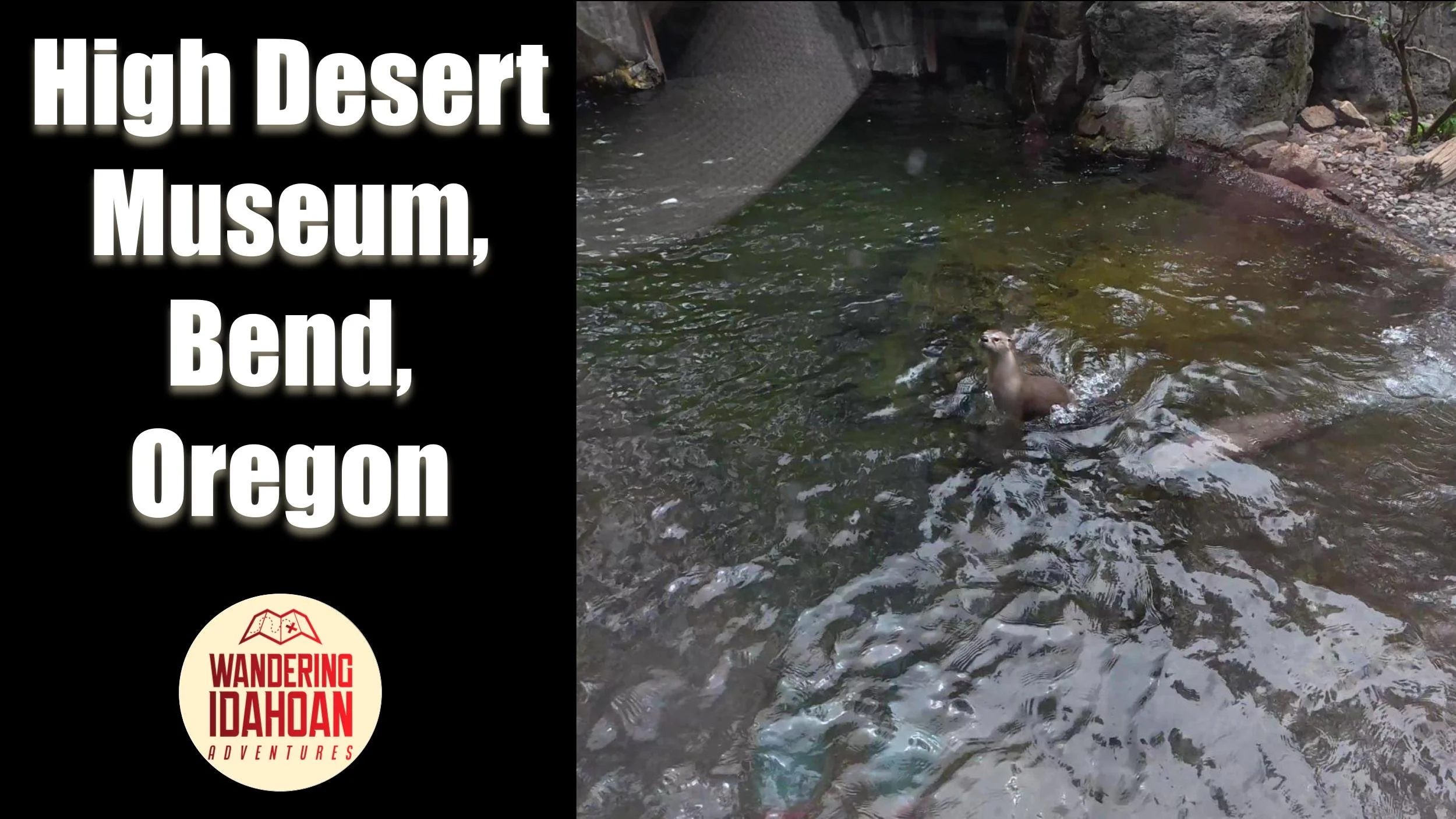
The High Desert Museum in Bend, Oregon, provides an immersive experience that blends regional history, natural wildlife, and cultural art. Visitors can explore diverse attractions such as the Autzen Otter Exhibit, the Birds of Prey Center, and a living history ranch that recreates life for 19th-century homesteaders.
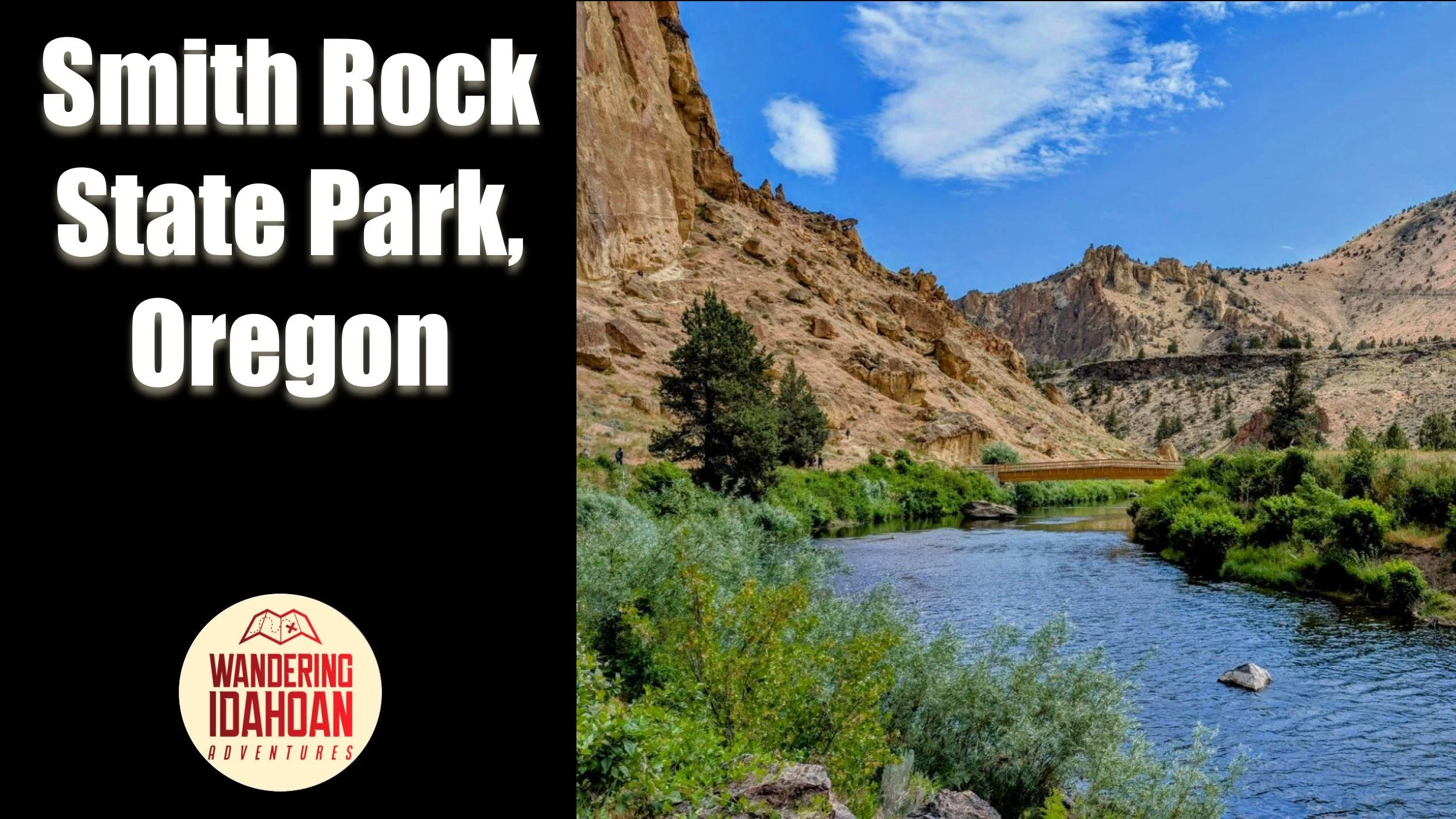
Smith Rock State Park is recognized as one of the 7 Wonders of Oregon. Renowned as the birthplace of American sport climbing, offering over 1,800 climbing routes and an extensive trail system for hikers, mountain bikers, and horseback riders. The park serves as a vital habitat for wildlife such as golden eagles and prairie falcons. It is a stunning nature park that needs to be seen to be believed.
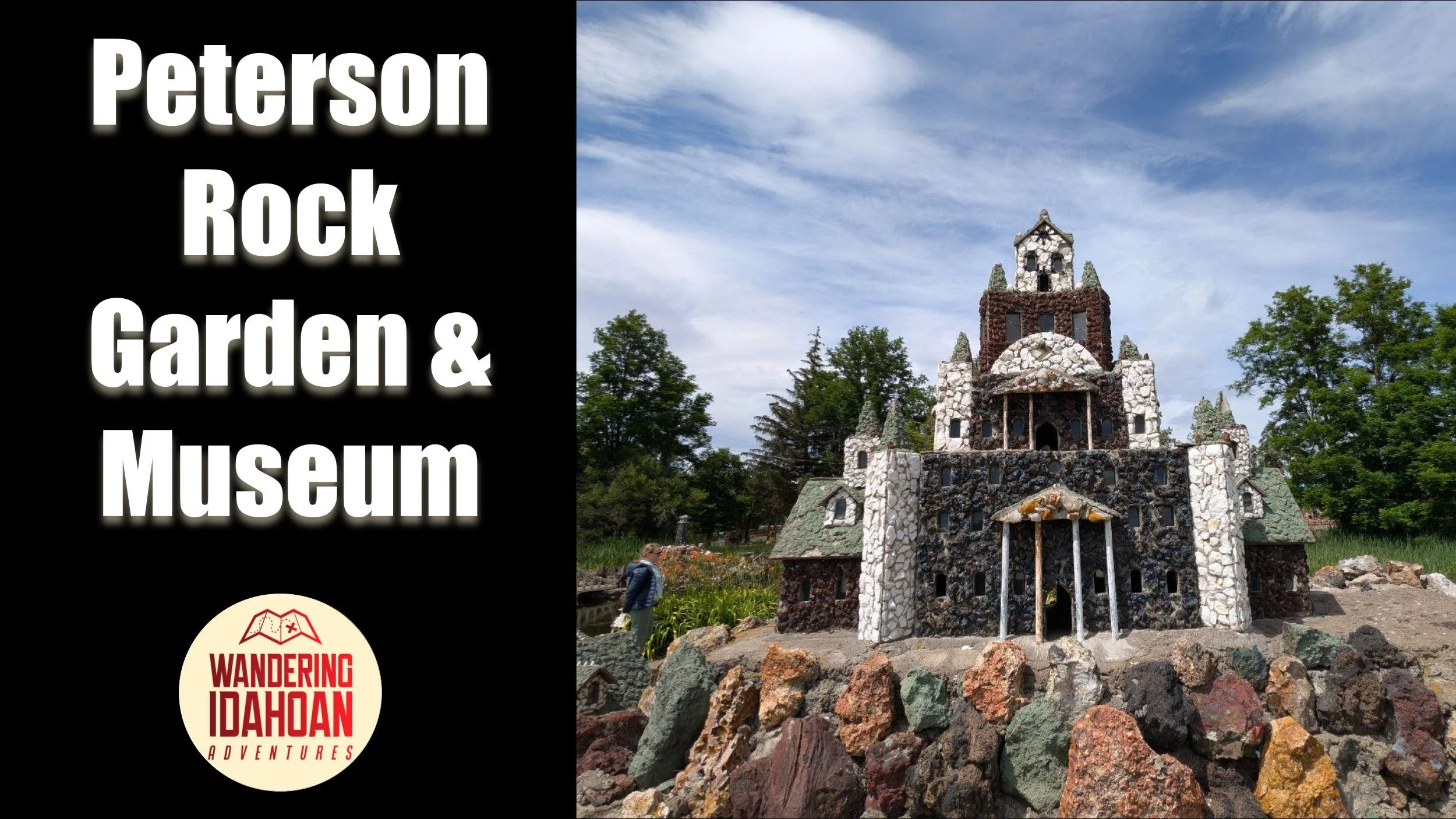
Discover the whimsical wonder of the Petersen Rock Garden, a four-acre landmark located between Redmond and Bend, Oregon. Hand-built by Danish immigrant Rasmus Petersen between 1935 and 1952, this unique folk art environment features an intricate miniature world of stone castles, bridges, and churches crafted from local minerals like agate, jasper, obsidian, and petrified wood. Listed on the National Register of Historic Places, the garden recently underwent a major restoration to preserve its "sense of wonder" for future generations. It is an incredible place to visit that you just can't adequately prepare for.
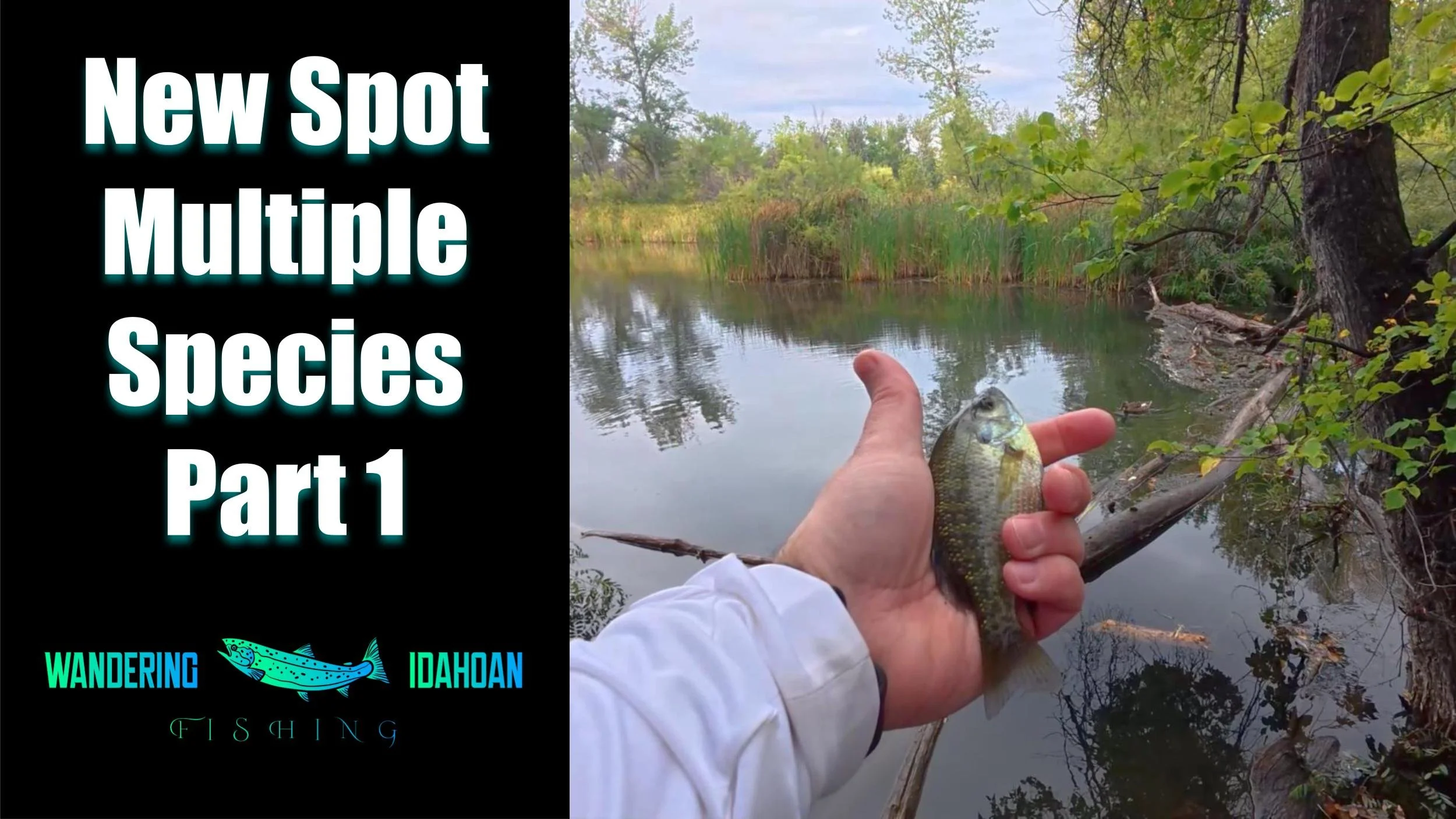
I went to a pond I hadn't fished since before I was a teenager. I didn't know what I would find, but expected panfish. I was right. Then things started getting crazy. I even ended up catching a species that I couldn't even identify. I had never caught one like it before. It was super aggressive and came out of nowhere. This was a fun trip overall. I hope you enjoy it.
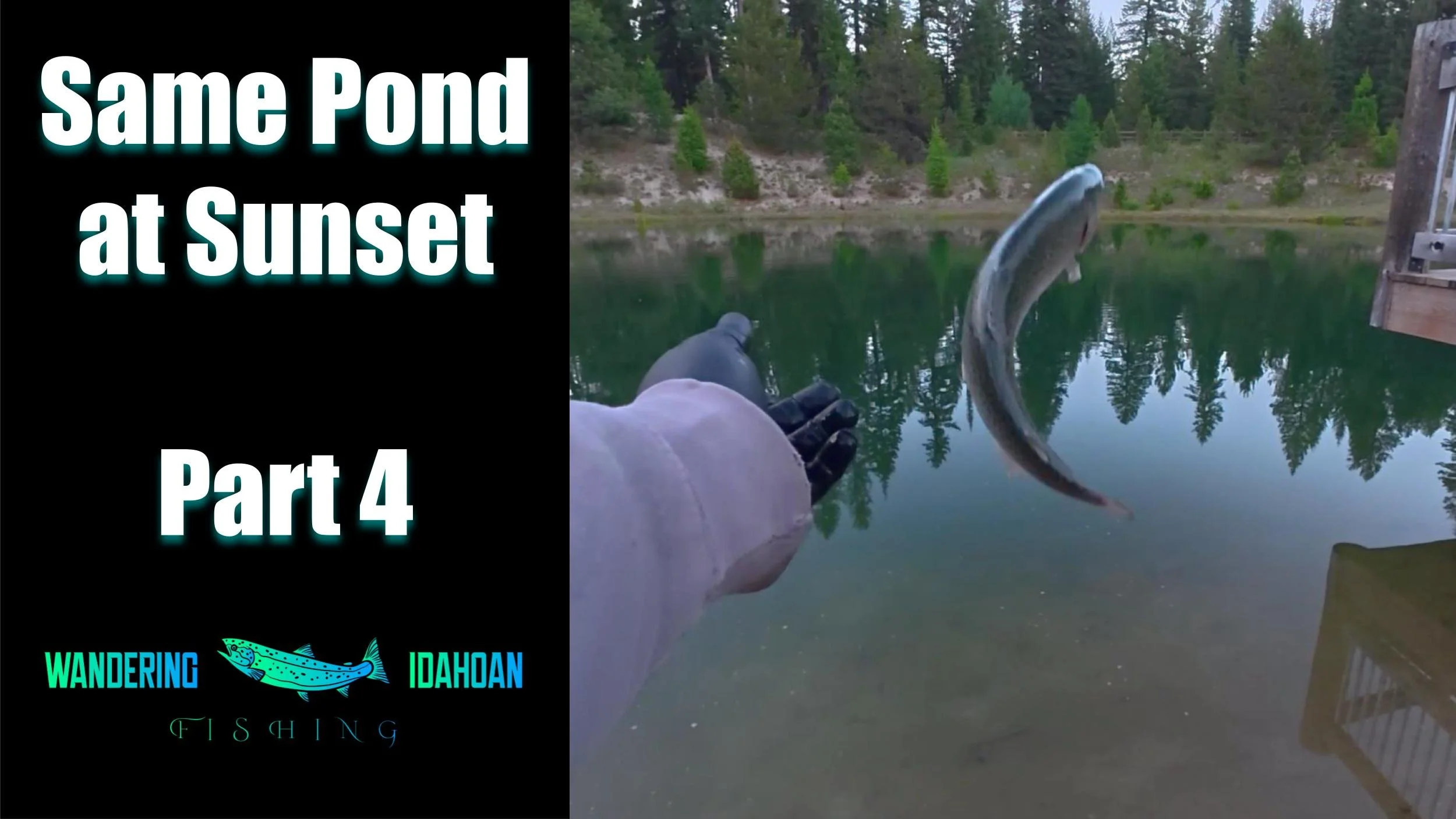
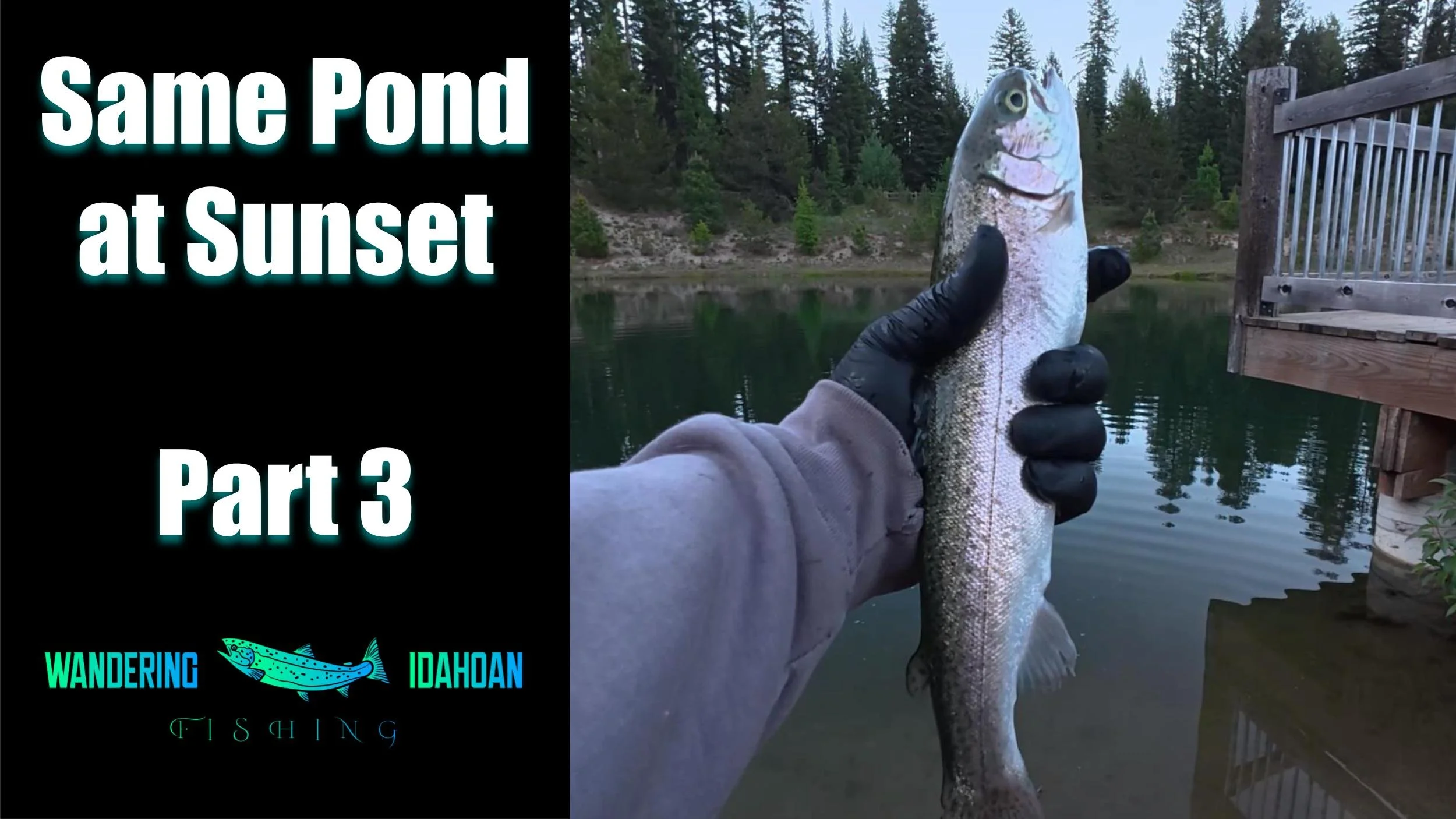
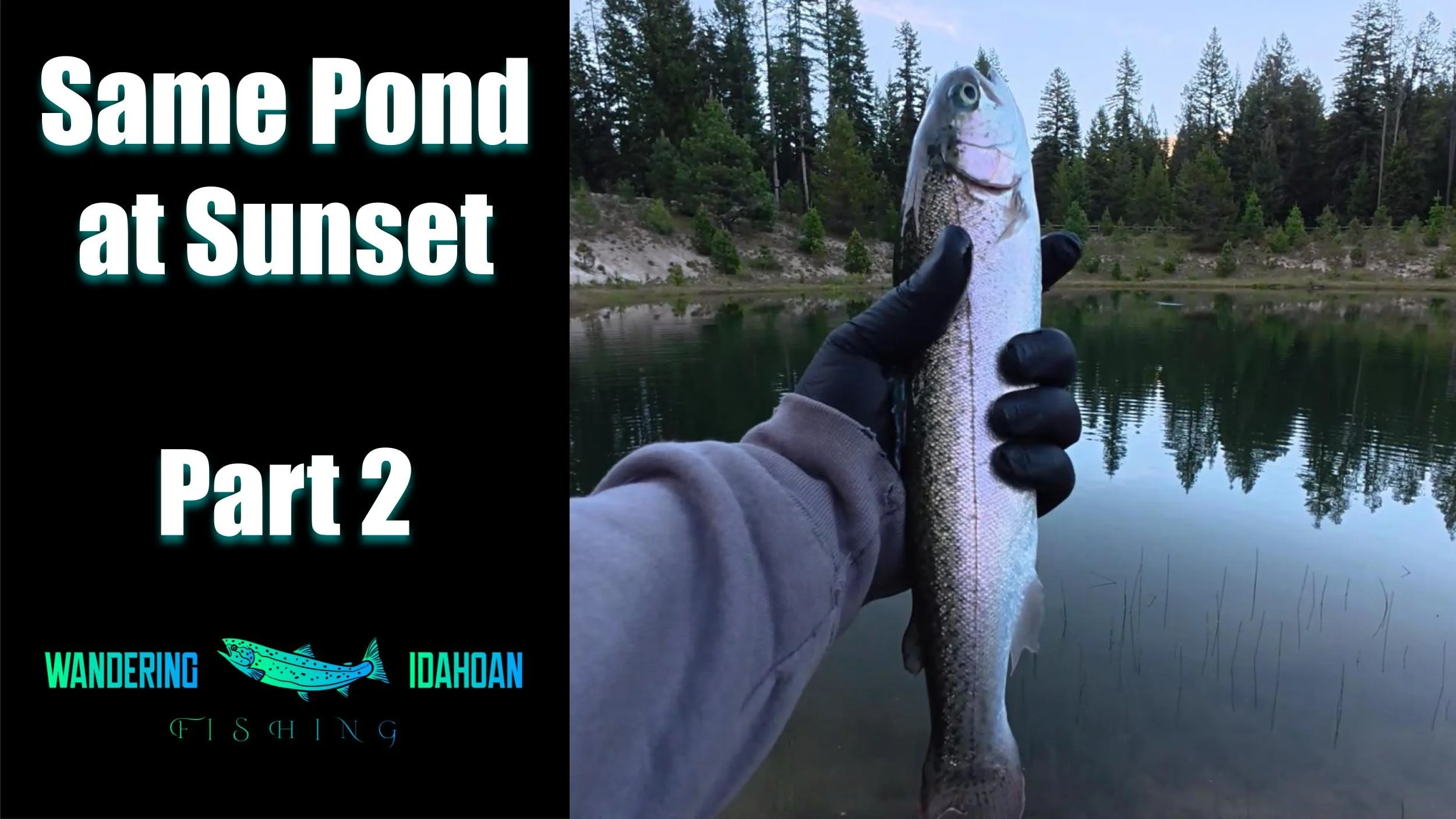
I returned to the same pond in the evening to see if the fishing was better. The results speak for themselves. I can only imagine that stress from fishing, predators, and heat can affect fishing in the evening. While the evening is still better than midday, the morning still wins out in the end, at least in my opinion.
I returned to the same pond in the evening to see if the fishing was better. The results speak for themselves. I can only imagine that stress from fishing, predators, and heat can affect fishing in the evening. While the evening is still better than midday, the morning still wins out in the end, at least in my opinion.
I returned to the same pond in the evening to see if the fishing was better. The results speak for themselves. I can only imagine that stress from fishing, predators, and heat can affect fishing in the evening. While the evening is still better than midday, the morning still wins out in the end, at least in my opinion.
I returned to the same pond in the evening to see if the fishing was better. The results speak for themselves. I can only imagine that stress from fishing, predators, and heat can affect fishing in the evening. While the evening is still better than midday, the morning still wins out in the end, at least in my opinion.